
Blog
Cagrilintide for Sale: Research-Grade Peptide Vials

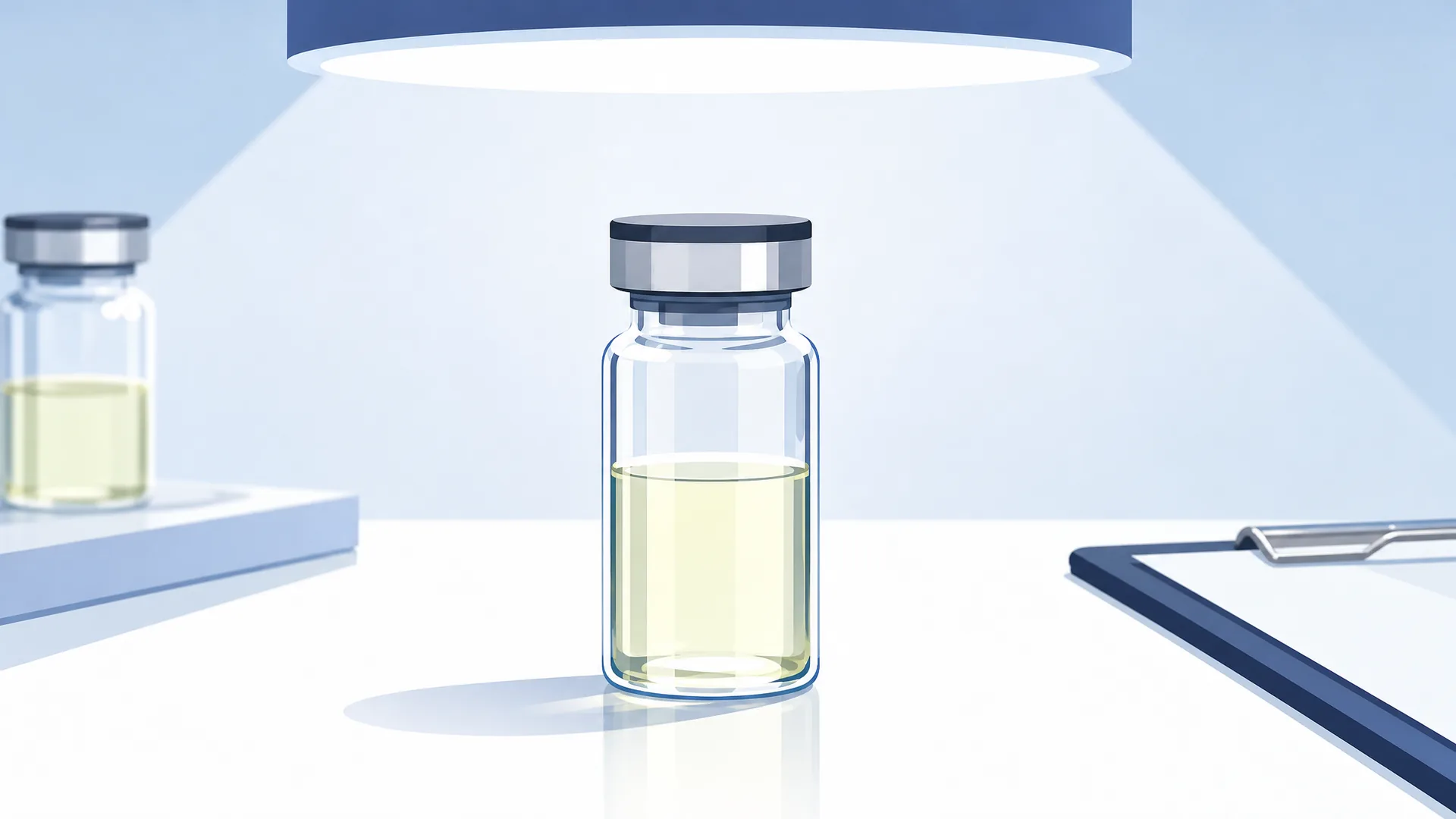
Buyers searching for cagrilintide for sale are usually past the research-summary stage. They want to know which vendor has clean documentation, a fair vial price, and a straightforward purchase process. This article skips the trial-data recap. It focuses on what actually matters at checkout: purity verification, sourcing transparency, and handling basics for laboratory use.
What Buyers Should Know Before Choosing Cagrilintide For Sale
Cagrilintide is sold strictly as a research compound. Every vial on the market is meant for laboratory use, not for human or animal consumption. Any vendor implying otherwise is a red flag, not a selling point.
Before comparing prices or pack sizes, a buyer should confirm three things. The vendor discloses batch-specific testing. The peptide is stored and shipped correctly. The site is explicit about research-only use. These basics matter more than marketing copy about “premium” or “clinical-grade” peptides. Those terms carry no standardized meaning in this market.
Who This Peptide Is Sourced For
Laboratory researchers, academic groups, and contract research organizations typically buy cagrilintide vials to study metabolic pathways. It isn’t meant for personal use, self-administration, or resale outside research settings. Vendors that market it otherwise step outside the boundaries of legitimate research-chemical sales.
Cagrilintide Purity Standards and How to Verify Them
Purity is the single most important variable when comparing where to buy cagrilintide. A peptide can look identical on a label but differ significantly in composition. That difference only shows up in third-party testing data, not in product photography.
Third-party HPLC testing is the industry-standard method labs use to verify peptide purity above the 98% threshold commonly cited in research-grade specifications. High-performance liquid chromatography separates a sample into its component parts. It measures how much of the vial is actually the target peptide versus residual solvents, salts, or degradation byproducts.
Reading a Certificate of Analysis
A certificate of analysis (COA) should list the batch or lot number, the testing method used, the measured purity percentage, and the date of testing. It should trace back to the specific vial a buyer receives, not a generic document reused across every listing on the site.
Peptide researchers generally advise sourcing from vendors who publish certificates of analysis for each batch rather than relying on generic purity claims alone. If a vendor can’t produce a batch-specific COA on request, that alone is reason to look elsewhere.
Common Purity Thresholds in Research-Grade Peptides
Most research-grade peptide listings cite purity figures at or above 98%, with some vendors reporting 99%+ on select batches. These numbers only mean something when an independent lab report backs them up. A stated percentage with no supporting HPLC data is a claim, not a verification.
How Cagrilintide Vial Price Reflects Sourcing Quality
Cagrilintide vial price varies widely across vendors, and that spread is rarely random. Synthesis quality, batch testing, cold-chain shipping, and documentation all add real cost to a legitimate vial. Vendors that skip these steps can undercut the market, but the savings usually come at the expense of verifiable purity.
Buyers comparing cagrilintide vial price across sites should weigh it against what’s actually included: testing documentation, shipping conditions, and vendor responsiveness. A slightly higher price paired with a batch-specific COA is generally a better research investment than the lowest listed price with no supporting data.
Why Cheaper Vials Often Cut Corners
An unusually low price with no visible lab documentation is one of the clearest warning signs in this market. Corners get cut somewhere: in synthesis quality, in testing frequency, or in storage and shipping conditions that affect peptide stability before it ever reaches the buyer.
Other red flags include vague sourcing language, no listed batch numbers, and an unwillingness to answer direct questions about testing methodology. Legitimate research suppliers expect these questions. They should answer them without hesitation.
Where to Buy Cagrilintide Research Compounds Responsibly
Buying cagrilintide research compounds responsibly means treating the purchase as a laboratory transaction, not a retail one. That includes confirming the vendor’s documentation practices before adding anything to a cart, and understanding what should arrive with the order.
Cagrilintide vials are listed alongside batch-level purity documentation as part of the site’s Metabolic & Longevity Research category, which groups compounds by their research application rather than by price point alone. This kind of categorization makes it easier for researchers to compare related peptides, including purity-tested BPC-157 vials, against the same sourcing standard.
Reconstitution and Handling Basics
Cagrilintide typically arrives as a lyophilized (freeze-dried) powder that needs reconstitution before use in a laboratory setting. Researchers reconstituting cagrilintide typically pair it with bacteriostatic water sourced from the same vendor to cut contamination variables between reagent and peptide.
Once reconstituted, peptides generally need refrigerated storage and should be used within the timeframe the supplier’s handling guidance specifies. Vials should stay sealed and protected from light and heat until the researcher is ready to reconstitute.
Vendor Vetting Checklist
Before ordering, a buyer should confirm the following:
- Batch-specific COA available for the exact vial being purchased
- HPLC testing method disclosed, not just a purity percentage
- Bacteriostatic water and reconstitution supplies available from the same source
- Clear storage and shipping guidance provided with the order
- A responsibility agreement confirming research-only use
Body Tech Peptides requires every purchaser to accept a responsibility agreement confirming products are for laboratory research only, not for human consumption. This step is standard practice among compliance-conscious vendors. It shouldn’t be treated as a hurdle. It’s a sign the vendor operates within the boundaries expected of a legitimate research supplier.
Cagrilintide’s Role in Metabolic and Longevity Research
Researchers study cagrilintide within metabolic research as an amylin analog, a class of peptides related to the hormone amylin that plays a role in appetite regulation and energy balance signaling pathways. Researchers examining metabolic and longevity science often study cagrilintide alongside other peptides in this category to understand receptor interactions and signaling mechanisms in laboratory models.
None of this constitutes a medical claim. Cagrilintide sold for research isn’t intended to treat, diagnose, or prevent any condition. Its relevance sits entirely within the context of laboratory investigation into metabolic pathways, not consumer health outcomes.
FAQs About Buying Cagrilintide Vials
What does “research-grade” mean when a vendor lists cagrilintide for sale?
Research-grade means the peptide is manufactured and tested for laboratory use. Vendors typically verify it through HPLC analysis and sell it strictly for non-human research applications, not for consumption.
How can a buyer verify cagrilintide purity before purchasing a vial?
Request a batch-specific certificate of analysis showing the HPLC testing method and measured purity percentage for the exact vial being ordered, not a generic document.
Why does cagrilintide vial price vary so much between vendors?
Price differences usually trace back to synthesis quality, testing frequency, cold-chain shipping, and documentation. Vendors that skip these steps can list lower prices at the cost of verifiable purity.
What should be included with a cagrilintide peptide order?
A complete order should include the vial itself, access to a batch-specific COA, guidance on reconstitution and storage, and typically the option to buy bacteriostatic water from the same source.
Is cagrilintide legal to purchase for laboratory research use?
Buyers can legally purchase cagrilintide for research use where it’s sold as a research chemical, provided no one markets or uses it for human consumption and the buyer complies with applicable local regulations.
What is cagrilintide’s relevance to metabolic and longevity research?
Researchers study it as an amylin analog with signaling pathways relevant to metabolic research, using it in laboratory settings to examine receptor and energy-balance mechanisms.
What red flags indicate a vendor is not selling authentic research-grade cagrilintide?
Watch for missing batch numbers, no independent HPLC data, unusually low pricing with no documentation, vague sourcing claims, and no responsibility agreement at checkout.
Researchers evaluating where to buy cagrilintide research compounds should prioritize documentation over price alone. A vial paired with a verifiable certificate of analysis, proper reconstitution guidance, and a clear research-only agreement offers a more reliable foundation for laboratory work than the lowest price on a search results page.
2 thoughts on “Cagrilintide for Sale: Research-Grade Peptide Vials”